

As of 2026, the world of UX/UI design is undergoing significant changes and innovations aimed at elevating the user experience to new heights. UX trends 2026 and UI trends 2026 are not only defining visual aesthetics but also play a critical role in functionality, interaction, and overall user satisfaction. User-centered design strategies in modern mobile and web applications not only enhance performance but also maximize user engagement. In particular, user experience optimization processes increase the time users spend within the application, boost retention rates, and strengthen overall satisfaction.
Today, UX/UI designers go beyond creating visually appealing interfaces by leveraging data-driven approaches and user behavior analytics to support design decisions. Prototyping and wireframing tools enable rapid iterations and testing, allowing solutions that directly meet user expectations. Additionally, responsive design and accessibility compliance ensure that applications deliver effective experiences across various devices and user groups. When combined with modern tools and methodologies, UX/UI design trends in 2026 maximize both user satisfaction and business success.
In this blog, we will explore the innovative UX/UI design trends that enhance engagement in mobile and web applications, user-centered strategies, and modern tools and methodologies. We will also examine case studies and best practices to uncover the essential steps for achieving a successful user experience design in 2026.
Key UX/UI Design Trends in 2026
In 2026, achieving maximum user experience in UX/UI design is possible not only through aesthetics but also with approaches focused on functionality, accessibility, and performance. Modern tools and methodologies in UX/UI design enable designers to create user-centered experiences for both web and mobile applications.
User-focused design strategies not only enhance user satisfaction but also increase application engagement and optimize the performance of digital products. When these trends are supported by data-driven approaches and user behavior analytics, the accuracy of design decisions improves, and applications deliver sustainable experiences that meet user expectations.
Minimalist and Functional Design Approaches
Minimalist interfaces play a critical role in enhancing user experience within modern UX/UI design trends. This approach reduces cognitive load by allowing users to understand and interact with applications more quickly, providing a user-centered experience free of unnecessary visual elements across both mobile and web platforms. Functional design ensures that every visual and interactive element serves a specific purpose, increasing user satisfaction and boosting repeat usage rates. Among the 2026 UX trends, modern UI patterns support performance and accessibility optimization, enabling users to experience seamless, consistent, and accessible interactions across different devices.
The minimalist and functional design approach is not limited to aesthetics or user satisfaction; it also offers advantages in SEO and technical performance. Fast-loading, clean, and optimized interfaces are considered more reliable and high-quality content by search engines. Therefore, minimalist design strategies enhance both user engagement and search engine visibility.
-
Designs free of unnecessary elements reduce page load times and improve mobile user experience.
-
Functional UI patterns enable users to reach their goals quickly and facilitate application use.
-
Accessibility-compliant design allows users with varying abilities and devices to interact effectively.
-
Minimalist and performance-focused approaches improve SEO performance and strengthen visibility in search engines.
-
Consistent UI patterns and component libraries ensure design uniformity and increase efficiency in development processes.

Mobile-First Design
The mobile-first design approach is at the core of 2026 UX/UI trends and emerges as a critical strategy for the success of modern digital products. Today, the majority of users access digital content and applications through mobile devices, making it essential to prioritize mobile in the design process. Mobile-first design ensures that applications work perfectly on smaller screens first, while making it easier to scale to larger screens, providing a consistent experience across all devices. This approach not only ensures visual compatibility but also optimizes performance, usability, and interaction.
Responsive design and mobile-first UX strategies complement each other to enhance user engagement and strengthen retention. In mobile-first design, interfaces are simple, clear, and easy to navigate, offering fast-loading, user-centered content free of unnecessary visual elements. This strategy not only improves mobile user experience but also positively impacts SEO performance, as search engines prioritize fast, mobile-friendly, and user-friendly pages.
Prototyping and user testing are indispensable components of the mobile-first design process. Design teams conduct early-stage tests on interfaces and functionalities to quickly identify errors and usability issues. With iterative development, prototypes are continuously improved, and user feedback is integrated into the design process, optimizing the final product to fully meet the needs of mobile users. This process not only increases user satisfaction but also enhances the competitive strength of the application in the market and ensures long-term user engagement.
-
Mobile-first approach provides seamless experiences on small screens, increasing user satisfaction and engagement.
-
Responsive design ensures compatible, consistent, and accessible interfaces across all devices.
-
Prototyping and user testing identify design errors early, accelerating the development process.
-
Iterative development and feedback integration allow continuous optimization of the application.
-
Performance enhancements (lazy loading, image compression, optimized visuals) improve mobile experience and reduce page load times.
-
Mobile-first strategies enhance SEO performance, strengthening visibility in search engines.
-
User-centered content and functionality increase user engagement and repeat usage rates.
-
Design compatible with different devices and screen sizes supports accessibility standards, providing an inclusive experience for all users.
User-Centered and Personalized Experience
User-centered and personalized experiences are among the most critical trends in modern UX/UI design in 2026 and are essential for the success of digital products. This approach directly affects increasing user engagement and satisfaction, ensuring that applications fully respond to user expectations. User journey mapping, UX research, and data analytics allow design teams to deeply understand user behaviors, preferences, and needs. This insight ensures data-driven design decisions, maximizing both user satisfaction and business value.
Personalized experience strategies provide users with content and recommendation systems tailored to their preferences, increasing engagement and repeat usage. This is particularly effective in mobile and web applications, encouraging users to spend more time within the app, enhancing interaction, and strengthening loyalty. Interaction analytics monitors and analyzes user behavior, enabling continuous optimization of interfaces and content, so users experience increasingly satisfying and personalized interactions.
User-centered and personalized UX strategies also have important SEO implications. Search engines rank websites with high user experience and strong engagement higher. Metrics such as time spent on site, page interactions, and repeat visits are valuable signals for search engines. Therefore, UX research and personalized content strategies improve digital product visibility and generate sustainable organic traffic over time.
-
User journey mapping ensures design decisions are data-driven and prioritizes user needs.
-
UX research and user testing guarantee the product meets user expectations and identifies usability issues early.
-
Personalized content and recommendation systems provide experiences that engage users and encourage repeat visits.
-
Interaction analytics continuously monitors and optimizes user behavior, improving application performance and satisfaction.
-
Data-driven and personalized UX strategies maximize user engagement and business value, strengthening the application's competitive advantage.
-
Personalization enables longer active usage and higher conversion rates in mobile and web applications.
-
SEO benefit: high user engagement and optimized user experience are rewarded with higher search engine rankings.
Interaction and Visual Design Trends
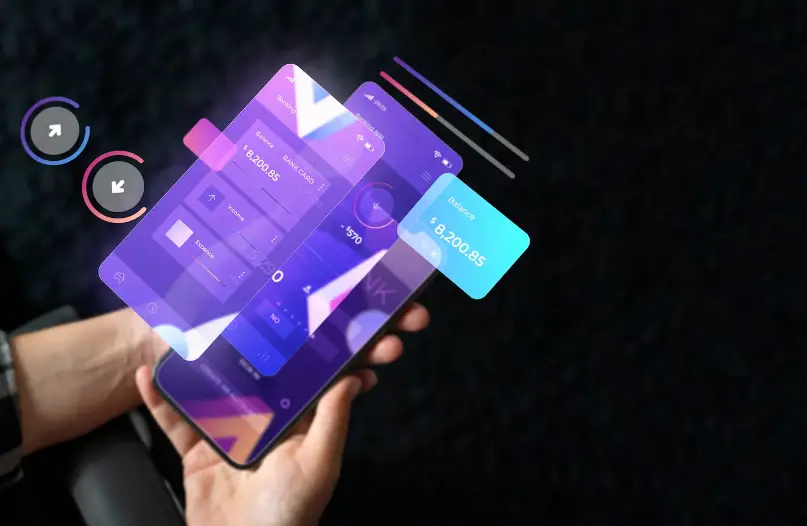
As of 2026, interaction and visual design trends play a critical role in enhancing user experience and optimizing the performance of digital products. In mobile and web applications, providing just an aesthetic interface is no longer sufficient; users need to navigate seamlessly, achieve their goals efficiently, and engage emotionally with the content. Therefore, micro-interactions, animations, and visual hierarchy strategies have become essential.
When supported by user behavior analytics and data-driven design approaches, these trends enable design teams to deeply understand user needs, make informed design decisions, and deliver accessible, sustainable experiences that meet user expectations. Modern UI and design systems enhance speed, consistency, and efficiency in the design process while strengthening inter-team workflow and fostering a user-centric development environment.
Micro-Interactions and Animations
Micro-interactions are small yet powerful design elements that support users’ critical actions within an application, enriching the overall experience. For instance, subtle button animations, progress indicators during loading, and real-time feedback while filling out forms enhance user engagement and make navigation more intuitive. Animations not only improve visual appeal but also guide users’ attention to relevant areas, help them understand workflows, and reduce errors.
On both mobile and web platforms, micro-interactions provide continuous feedback, helping users form a stronger connection with the application. Transition effects and animation sequences make it easier for users to learn the interface, navigate without confusion, and reach their goals efficiently. Attention-driven design strategies direct users toward key content, increasing in-app engagement, improving conversion rates, and optimizing the time users spend within the application.
Modern UI and Design Systems
Modern UI and design systems form the backbone of creating consistent and optimized user interfaces. Design systems and component libraries ensure a uniform experience across various screen sizes and platforms, accelerate the design process, strengthen collaboration among teams, and shorten product development timelines. Standardized UI patterns provide familiar experiences to users, facilitating quick adoption and intuitive interaction. Wireframing and prototyping allow rapid testing of design concepts and iterative optimization.
These systems ensure that as new features are introduced, the consistency of user experience is maintained. Component libraries reduce errors in both design and development processes and optimize application performance. Wireframes and prototypes collect user feedback early, integrating insights into the design process. This ensures the final product is user-focused, accessible, and high-performing. Modern UI and design systems also support SEO performance because optimized, fast, and consistent interfaces are evaluated as high-quality and trustworthy content by search engines.
Accessibility and User Experience
Accessible design is a critical requirement for digital products with a global user base. Designing according to accessibility standards for users with disabilities ensures everyone can use the application effectively and promotes digital inclusivity. Beyond improving user satisfaction, this approach also provides significant SEO advantages, as search engines rank websites with high-quality, accessible content higher in search results.
Accessibility involves considerations such as color contrast, font sizes, keyboard navigation, and screen reader compatibility. This ensures seamless, consistent, and efficient experiences across both mobile and web applications. Optimized interfaces for a global audience increase brand credibility, strengthen user engagement, and contribute to long-term, sustainable user experiences. Accessible, user-focused design is an essential component of modern UX/UI trends and supports the competitive advantage of digital products in the market.
Data-Driven Approach in UX/UI Design
In 2026, maximizing user experience and optimizing digital product performance requires data-driven UX/UI design strategies, which play a critical role in modern mobile and web application development. Analyzing user behaviors, interactions, and preferences in depth enables design teams to create solutions that are not only visually appealing but also functional, performant, accessible, and SEO-friendly.
A data-driven approach not only enhances user satisfaction but also increases the time spent on the app, user engagement, and conversion rates. Interaction analytics, user testing, and A/B testing support design decisions with concrete data, enhancing the effectiveness of iterative development processes. With these methods, designs are continuously optimized, delivering sustainable and high-performing experiences that fully meet user expectations.
User Testing and A/B Testing
User testing and A/B testing are foundational components of modern UX/UI design. These tests measure which design elements have the most positive impact on users and identify areas where users struggle. Early-stage prototype testing identifies usability issues and ensures design alignment with user needs.
-
A/B testing for variations: Measures the impact of different design variations on user engagement, conversion rates, and time on page.
-
Prototype and usability testing: Early evaluation of interfaces and functionalities allows quick detection of errors and usability problems.
-
Data-driven feedback analysis: User feedback is prioritized in iterative improvement processes and ensures design strategies are accurate.
-
UX research for targeted insights: Data from user testing provides design teams with clear direction on areas requiring improvement.
These methods not only improve user satisfaction but also strengthen the app’s market competitiveness and SEO performance. Fast-loading, user-friendly, and highly engaging pages are prioritized by search engines, enhancing organic visibility. In mobile app design and web application optimization, combining testing and analytics increases user retention and repeated usage.
Analytics and Behavior Tracking
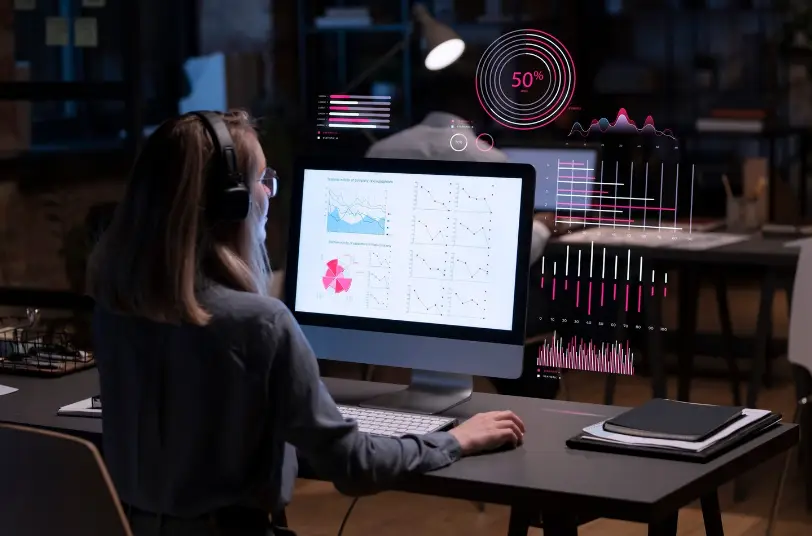
Interaction analytics and user behavior tracking are among the most effective ways to support design decisions with data. Monitoring how users navigate the app, which pages attract attention, and which features lead to drop-offs helps design teams understand patterns, preferences, and pain points. When combined with UX research and data-driven design methods, these insights enable tangible improvements that enhance app performance, user satisfaction, and conversion rates.
-
KPI measurement: Metrics such as engagement rates, time on page, and conversion ratios evaluate design effectiveness.
-
Heatmaps and event tracking: Visual analysis of user behavior highlights areas that require optimization.
-
Data-driven improvements: Analytics results guide iterative design enhancements and inform performance-focused decisions.
-
Behavior-based prioritization: User interaction data determines which design improvements take precedence, ensuring impactful optimizations.
This approach allows design teams to make strategic and precise decisions. Applications become user-centered, accessible, fast, secure, and sustainable. Data-driven design also directly contributes to SEO performance, as search engines rank websites with high user engagement and usability more favorably. Analytics-supported designs increase both user satisfaction and organic traffic.
Case Studies
Successful implementations of data-driven UX/UI strategies showcase effective utilization of modern design trends. Applications that combine minimalist, functional, user-centered, and personalized experiences increase user engagement and optimize interactions.
-
User journey mapping: Analyzing user flows identifies critical interaction points and areas for improvement.
-
Personalized content and recommendation systems: Offering tailored content enhances repeated usage and user loyalty.
-
Minimalist and accessible design: Clean, accessible interfaces cater to all user segments.
-
Iterative improvement processes: Designs are continuously refined based on analytics and user feedback.
-
SEO and UX integration: High engagement and optimized interfaces enhance organic traffic and search visibility.
These examples clearly demonstrate how data-driven UX/UI design can elevate long-term success, user satisfaction, and engagement in digital products. Particularly in mobile app design, web UX optimization, and interaction analytics, data-informed decisions directly influence a product's market performance.
Conclusion and Preparing for the Future
In 2026, UX/UI design trends, user experience optimization, and data-driven design strategies are essential elements for the success of digital products. Modern users expect fast, accessible, and personalized experiences, making it critical for applications to perform seamlessly across both mobile and web platforms.
Successful UX/UI design does more than deliver an aesthetic interface; it ensures users can navigate the application smoothly, access content and features quickly, and engage at the highest level possible. Therefore, developing a UX/UI strategy aligned with 2026 trends directly impacts the competitive advantage and long-term success of digital products.
Key Factors for Successful UX/UI Design
The key factors of successful UX/UI design enhance user experience while supporting business goals. Firstly, speed is a crucial factor that increases the time users spend in the application and encourages repeated usage. Fast-loading interfaces optimize page performance and are also rewarded by search engines in terms of SEO.
Secondly, user-centric design and accessibility ensure that all user segments can use the application effectively and efficiently. Agile and iterative development processes allow design teams to quickly evaluate prototypes and feedback, detect design flaws early, and make necessary adjustments. Finally, data-driven improvements and user feedback integration ensure continuous optimization and maximize user satisfaction.
-
Speed optimization: Reducing page load times, performance-focused UI patterns, and optimized visual elements.
-
User-centered design: User journey mapping, UX research, and personalized content strategies.
-
Accessibility: Designing according to accessibility standards for users with disabilities and creating interfaces suitable for a global audience.
-
Iterative development: Prototyping, A/B testing, and continuous feedback integration to optimize design.
-
Data analytics: Measuring user interactions, tracking behaviors, and using KPIs to inform data-driven design strategies.
Combining these approaches enhances both user satisfaction and the market success of digital products. Lessons learned from 2026 design trends and case studies ensure digital products are designed to meet the ever-evolving needs of users effectively and sustainably.
Have you updated your UX/UI design strategy for 2026?
To optimize your mobile and web applications, improve accessibility, and enhance user engagement, Contact us today. Our expert team delivers data-driven, trend-aligned solutions that maximize your app’s performance and user satisfaction.
“Writing is seeing the future.” Paul Valéry